
When “Optimisation” Isn’t
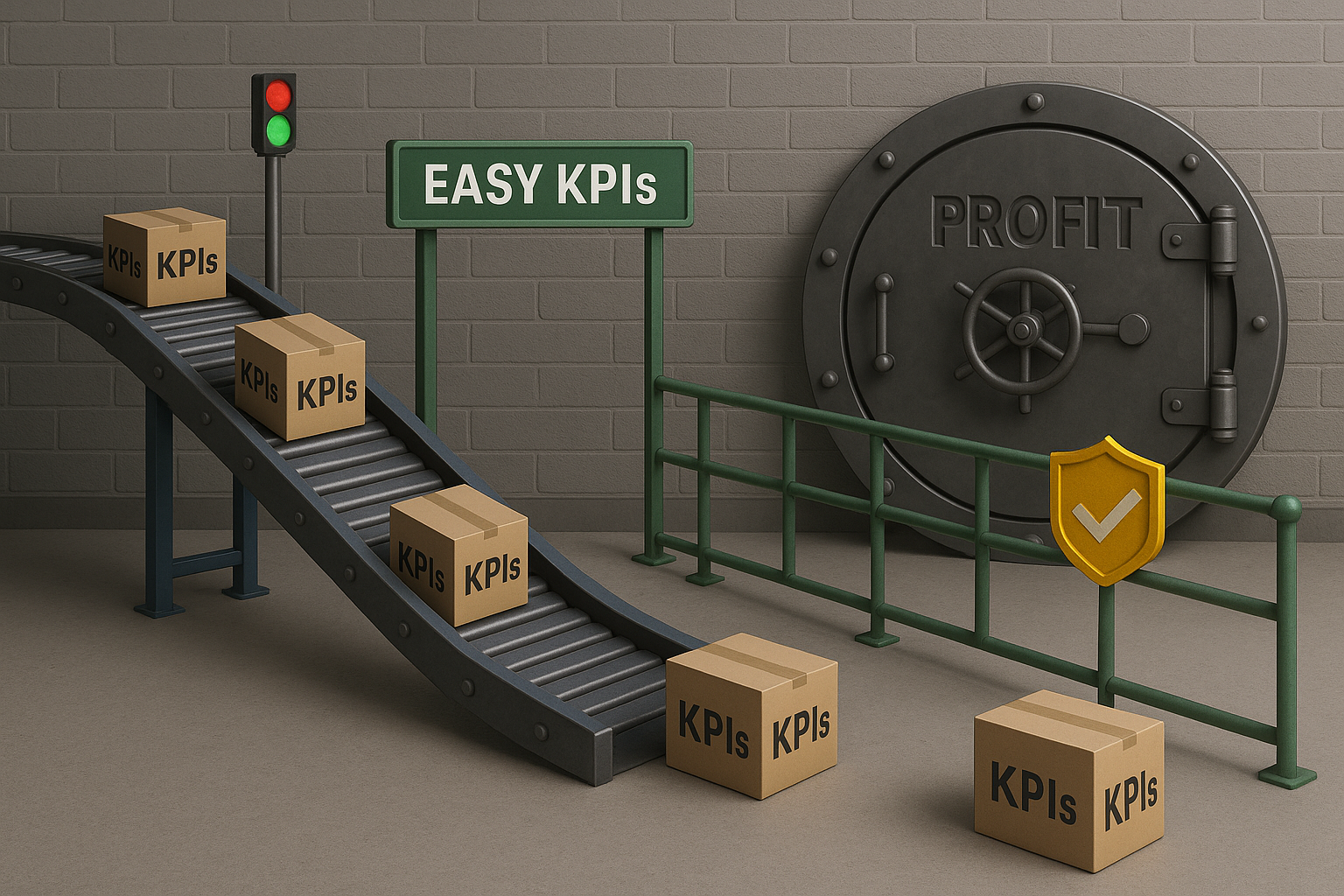
Digital platforms promise optimisation. In practice, their systems often optimise for the easiest proxy, not the outcome the business funds. The model finds shortcuts that clear its objective with minimal resistance. The dashboard improves. The underlying economics stall.

The Cult of Complexity
In paid media, complexity has become a kind of faith. The more intricate the system, the more credible it appears. Dashboards bloom with hundreds of metrics. Algorithms promise precision at scale. And yet, behind this dense thicket of data, the basic question—is the spend efficient?—often goes unanswered. Complexity has become both the product and the defense mechanism of an industry that profits from being difficult to understand.

The Hidden Cost of Vanity in Digital Advertising
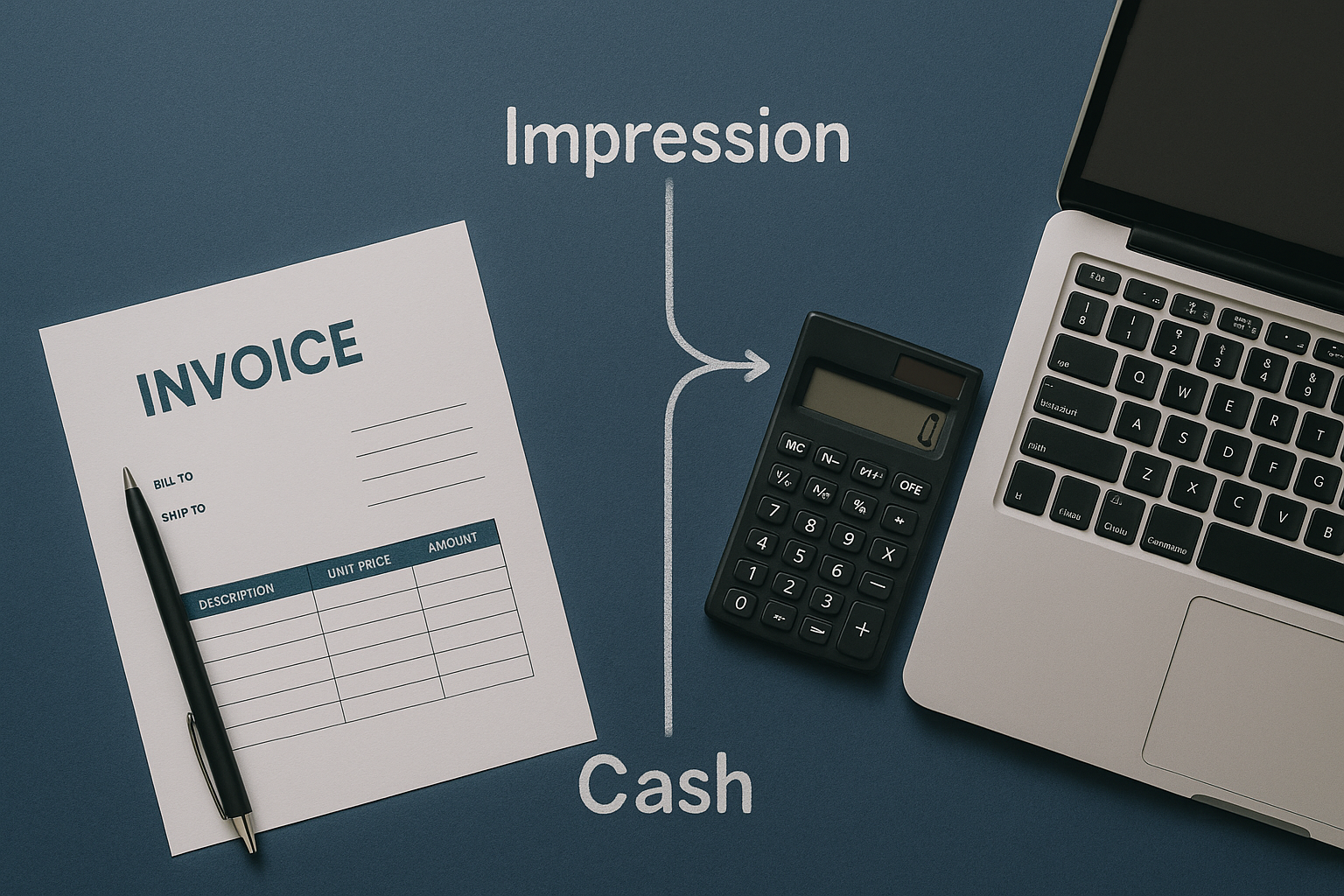
Every marketer wants to show good numbers. But when the same people reporting the results are the ones running the campaigns, good numbers are almost guaranteed. Impressions, clicks, engagement rates—metrics that look like progress but often measure nothing of financial substance.

The Leaky Bucket of Paid Media
Think of your paid media budget as a water bucket carried across a factory floor. Before it reaches the line that needs the water, it drips from holes you can’t see. By the time it arrives, far less water is available for the job. In paid media, money leaks long before an ad is meaningfully seen by a human. The loss is not an accident. It is the predictable outcome of how the market is measured, reported, and incentivized.

False Positives, Real Costs
Paid media has an accounting problem. A single sale is often claimed by several advertising channels. Each platform’s report shows a win. The company has one customer and one order. The difference between platform credit and real revenue creates persistent waste.

The Fox Guarding the Henhouse
Here’s the open secret: in paid media, the fox is guarding the henhouse—and every fox is just a little hungry for chicken. The platforms, agencies, and marketing teams that should be controlling ad spend are also the ones who benefit when that spend grows. Everyone in the system has a subtle incentive to let the budget balloon. Efficiency, on the other hand, doesn’t pay nearly as well.